



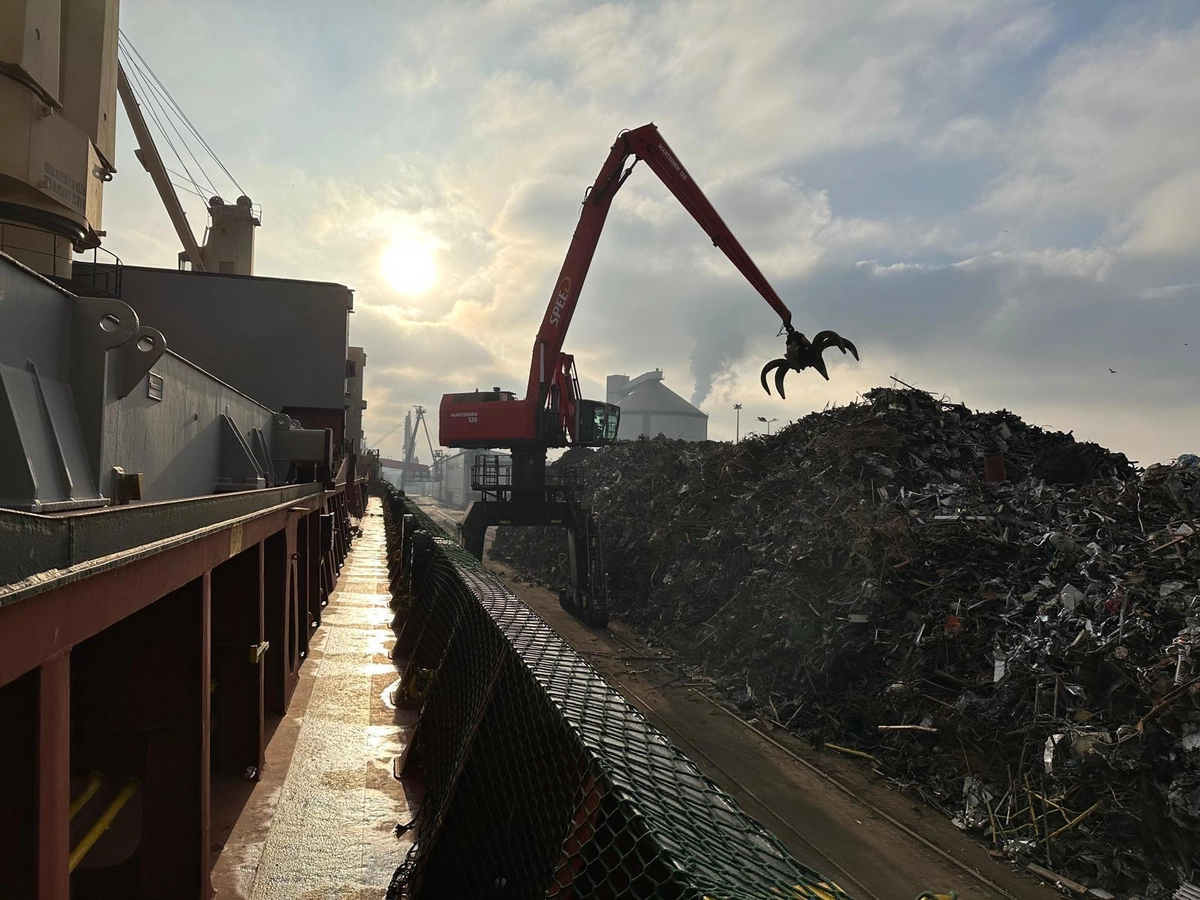
Nowadays, environmental protection is a crucial issue. Sustainable development is gaining importance in the steel industry. A key process in this regard is steel recycling, which allows for the recovery of steel raw materials from waste, reduces CO₂ emissions, and promotes the implementation of a circular economy.
Circular Economy
The circular economy in the steel industry assumes that all materials and resources should be used efficiently and for the long term. In the context of the steel sector, this means that waste and by-products should be reused, contributing to waste reduction and environmental protection.
The implementation of this model in the steel industry may include:
-
Recovery of steel raw materials
-
Reuse of metals
-
Recycling of steel products
Ecology in the Steel Industry
The relationship between the steel industry and ecology has become an increasingly important topic in recent years. The introduction of eco-friendly technologies can help minimize the negative impact on the environment.
Such solutions include:
-
Changes in the production process - the use of electric furnaces, which are more environmentally friendly than traditional coal-based furnaces.
-
Use of renewable energy - many steel companies opt for energy from renewable sources.
-
Investment in research and development - companies engage in research on new, more environmentally friendly production methods.
Reduction of CO₂ Emissions
Low-carbon steel production is becoming the industry standard. The introduction of sustainable practices, such as steel recycling and the circular economy, contributes to a significant reduction in greenhouse gas emissions.
Measures that help reduce emissions include:
-
Optimization of production processes
-
Increased energy efficiency
-
Use of secondary materials
Eco-Friendly Technologies in Steel Production
Modern eco-friendly technologies are becoming an essential part of sustainable development strategies in the steel industry. The implementation of innovative technological solutions allows for efficient resource use and minimizes the negative impact on the environment.
Examples of such technologies include:
-
Closed-loop recycling - systems that enable the continuous recycling of steel, closing its life cycle.
-
Smart production process management - the use of artificial intelligence and data analysis to optimize production, leading to lower energy and resource consumption.
-
Biotechnologies - applied in the steel industry to help reduce raw material consumption and emissions.
Sustainable development in steel production presents an opportunity for the industry to grow in a more responsible and conscious manner. Steel recycling, the circular economy, and the adoption of eco-friendly technologies are key elements in reducing the environmental impact of the steel sector.